A road planer—or milling machine—operates in a highly dynamic environment. During milling, ground crew members are at work, trucks are hauling away materials, sweepers are cleaning the road, and other machinery is operating nearby.
At night, in traffic, or in confined work zones, blind spots, machine movement, and co-activity can make it difficult to perceive the work boundary. To enhance visibility, LEDPOWERLIGHT® offers a combination of red lines projected onto the ground, dynamic signaling, and work lighting tailored for cold planers.
This solution serves as a supplementary safety aid. It does not replace regulatory signage, site procedures, personal protective equipment, or the machine's own cameras, alarms, or detection systems.
Road milling involves a large machine with powerful working components and multiple personnel who must sometimes operate in the immediate vicinity. The work site moves along with the planer, meaning its maneuvering zone and surrounding environment are constantly changing.
The OPPBTP identifies collisions with machinery as the primary risk during the milling phase. Companies in the sector rely on training, cameras, detection systems, temporary signage, and traffic flow management to mitigate this risk.
Key figures
Across the construction industry, 10 to 20 serious or fatal workplace accidents occur each year due to collisions between machinery and pedestrians. 70% of these occur in public works, even though public works accounts for only about 20% of the sector's workforce. These OPPBTP figures cover all types of machinery and are not limited to cold planers.
Other risks must also be taken into account: traffic near the site, noise, dust, reduced visibility, flying debris, conveyors, milling drums, and cleaning or maintenance operations. Prevention must therefore always be based on a comprehensive approach.
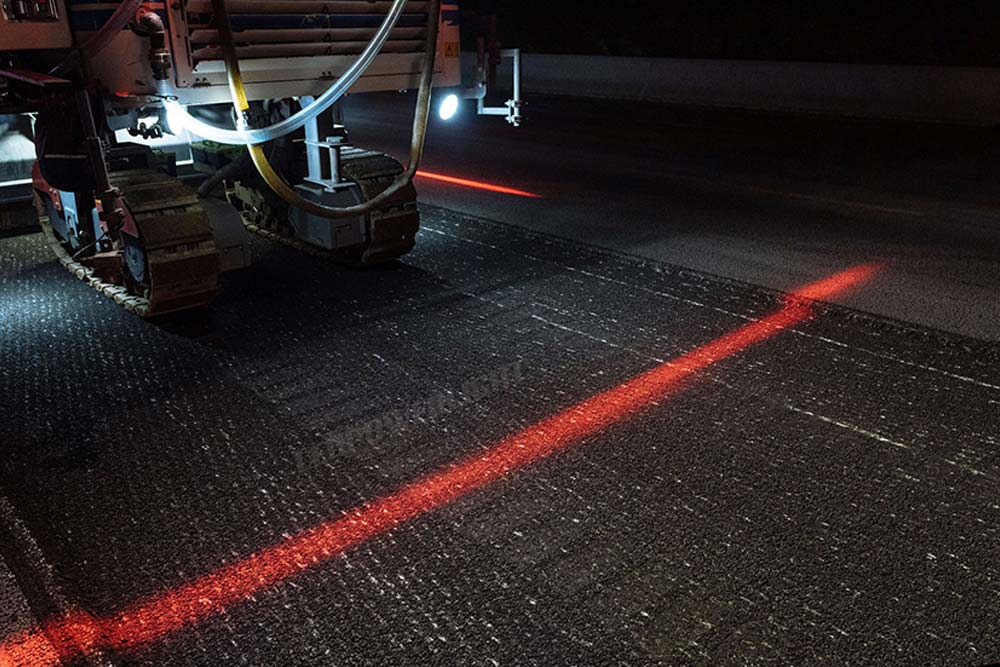
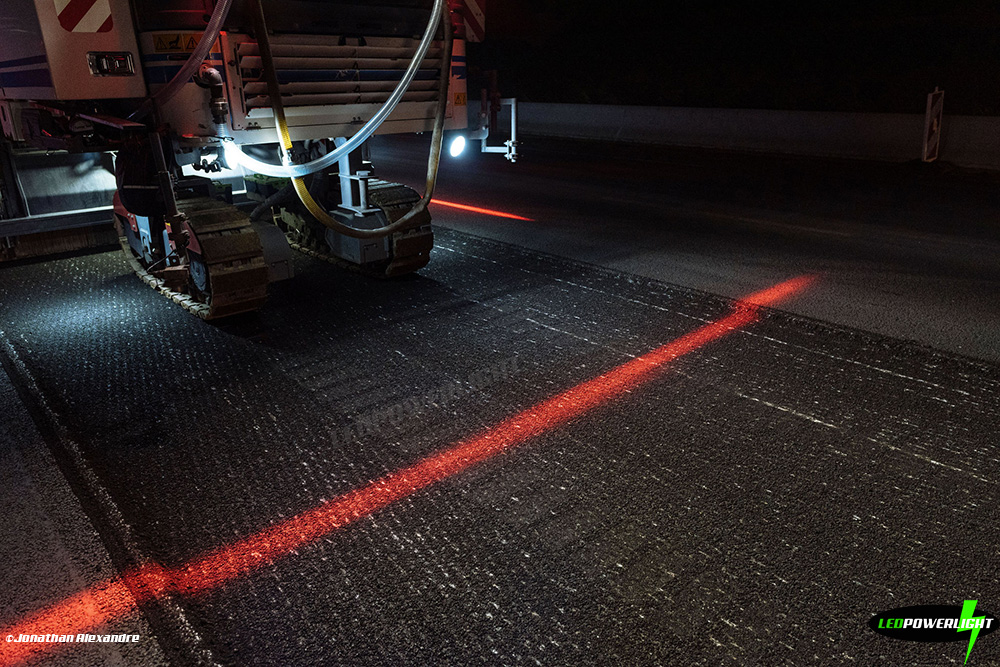
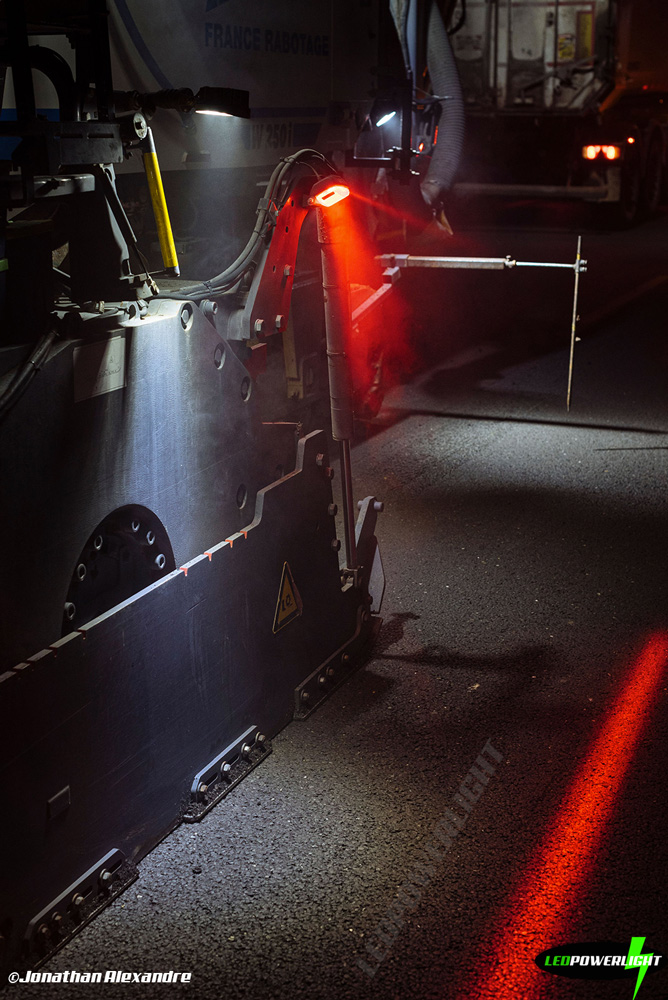
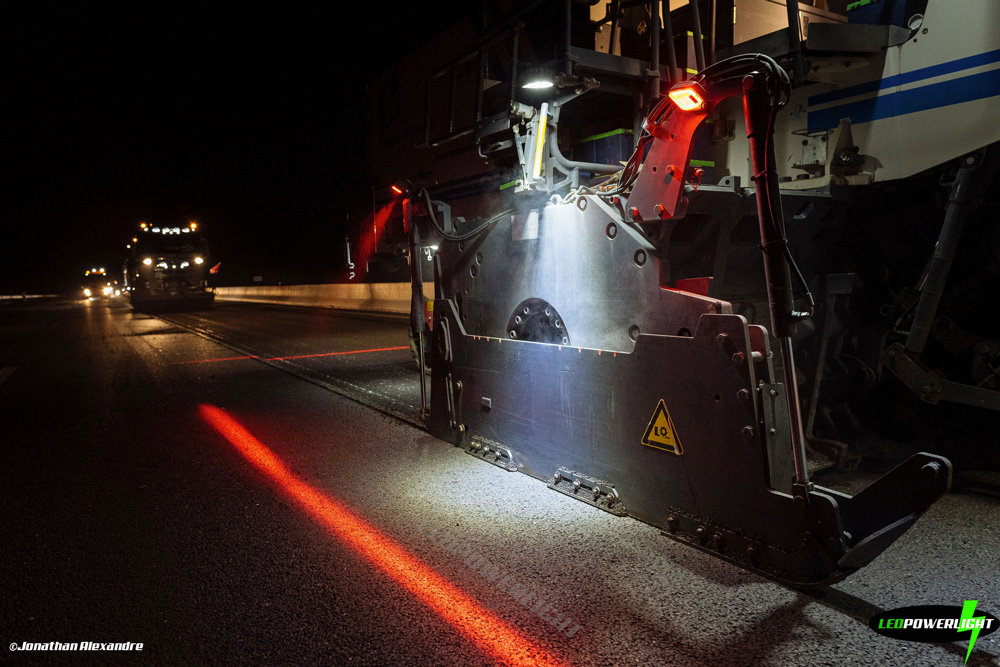
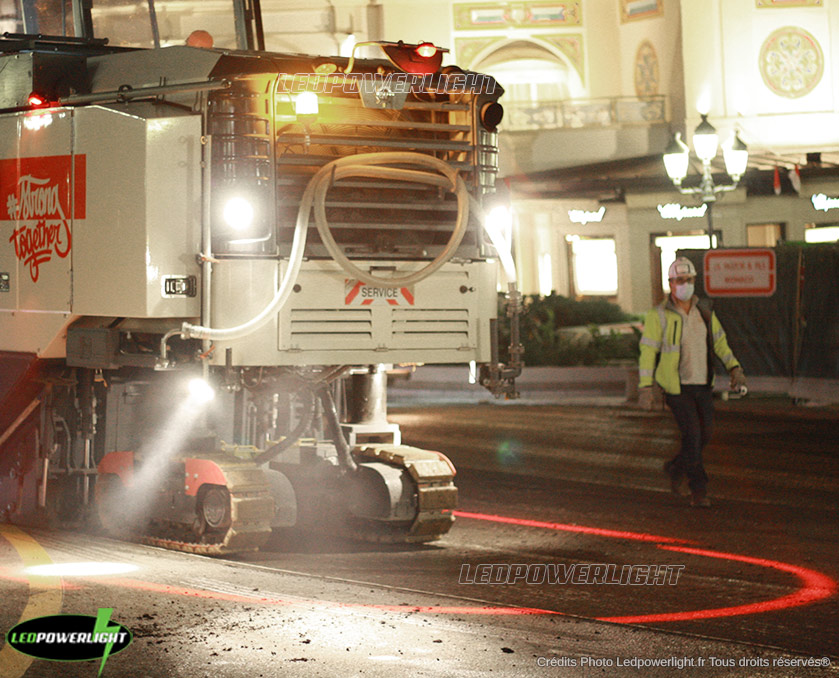
The lines projected onto the ground create a marker that is directly visible on the road surface. Mounted on the machine, they follow its movements and define a boundary around the sides or the rear, depending on the chosen configuration.
This light-based signaling helps ground operators, truck drivers, and other personnel better perceive the area near the milling machine. It is particularly useful during night work or when ambient contrast makes conventional boundaries less immediately apparent.
The line is not a physical barrier; it remains an additional visual reference that must be used in conjunction with traffic rules, exclusion zones, and site safety instructions.
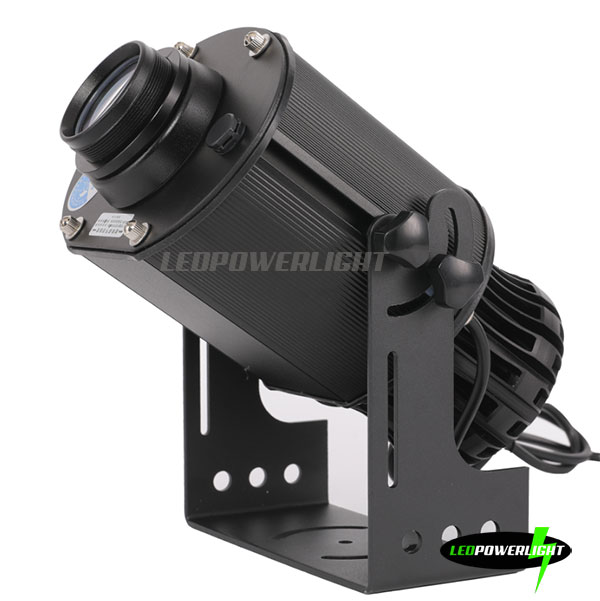
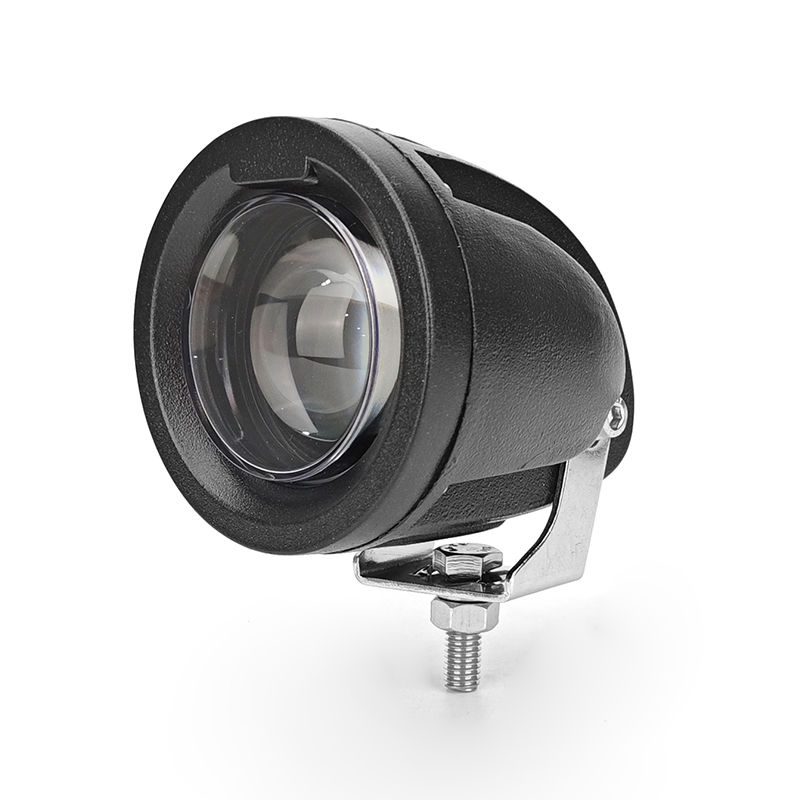
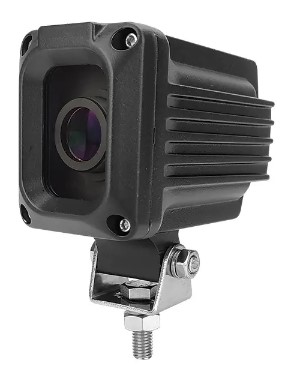
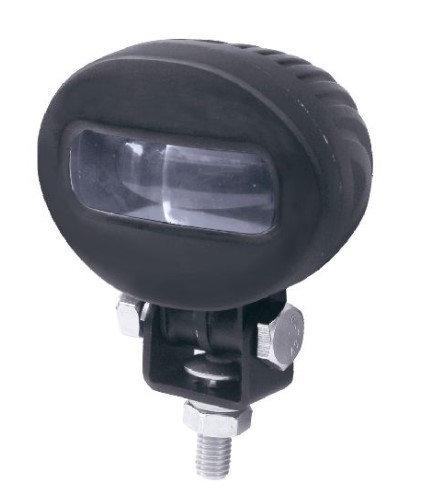
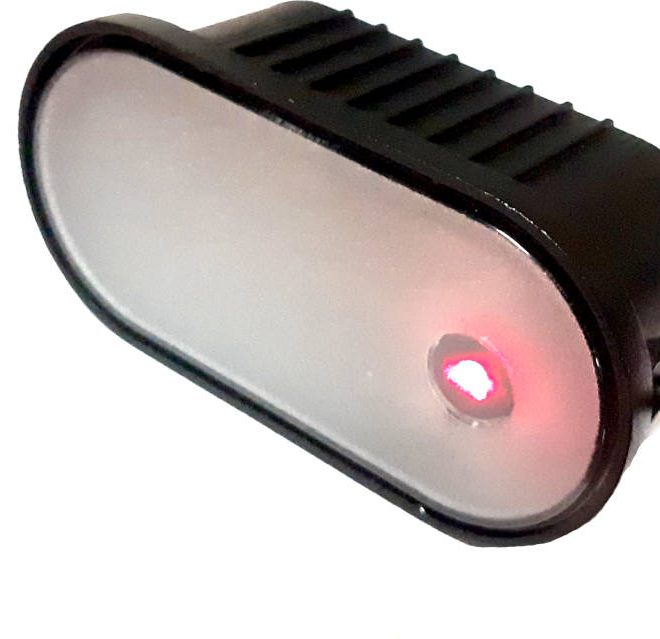
Installed on the sides or rear of the milling machine, Razor Line® projectors trace sharp red lines on the ground. Their position and orientation are designed to make the work zone immediately identifiable without relying on fixed road markings.
The number of projectors depends on the machine's size, the mounting height, and the desired perimeter shape. Field photographs show various setups, with lateral and transverse lines forming a consistent boundary around the equipment.
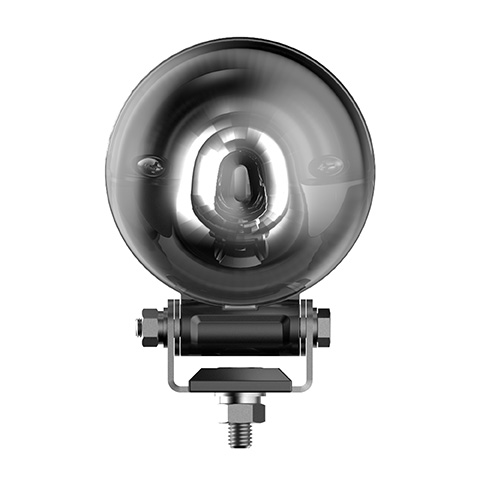
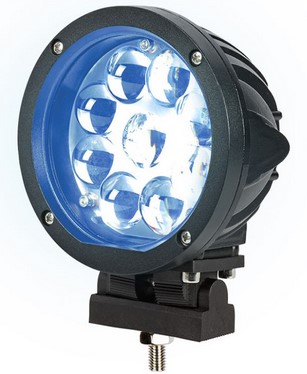
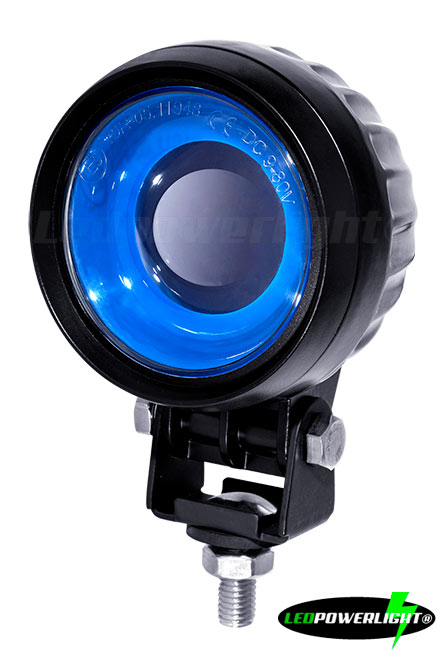
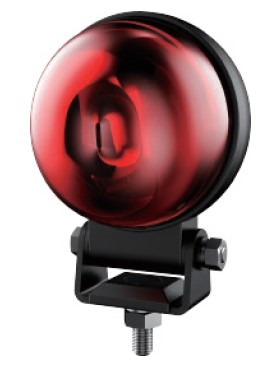
Additionally, the Sequential Blue Spot projects four blue dots onto the ground, three of which scroll in sequence. Positioned along a relevant approach path, it creates a dynamic signal beyond the immediate area to attract the attention of other personnel or vehicles.
Its placement, activation, and color must be validated according to the machine, the operating environment, and applicable regulations.
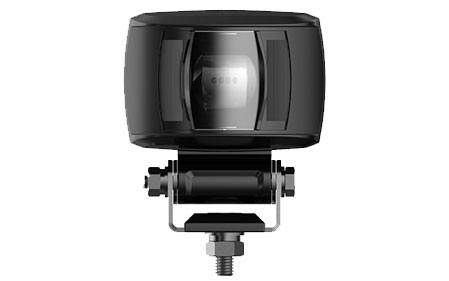
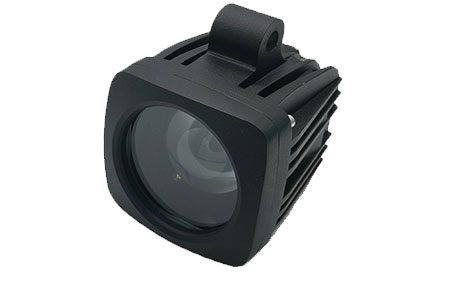
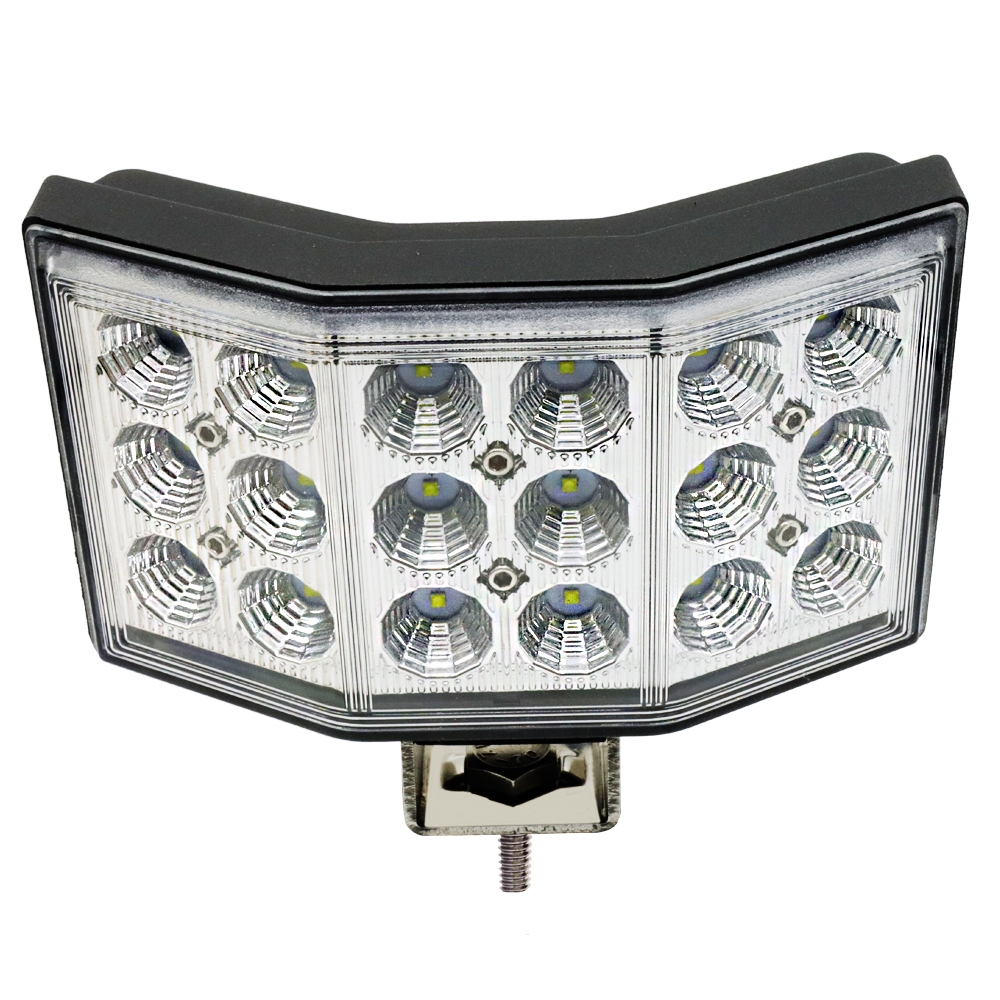
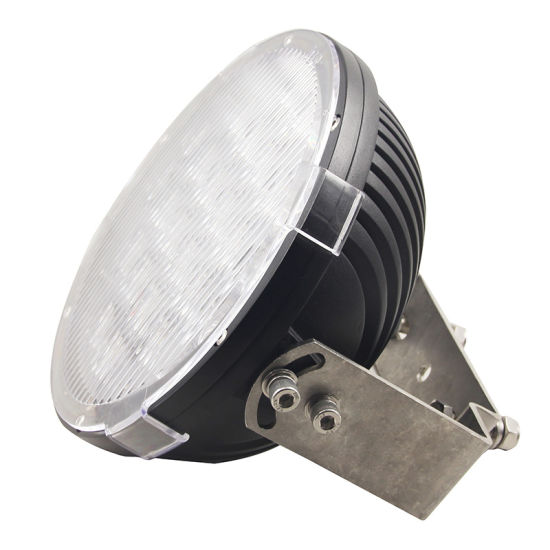
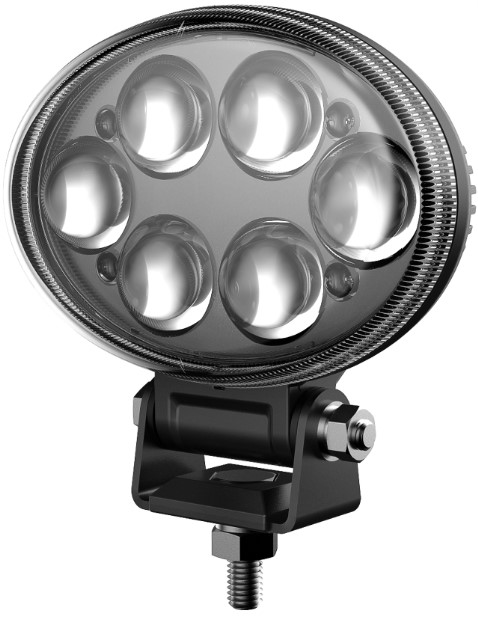
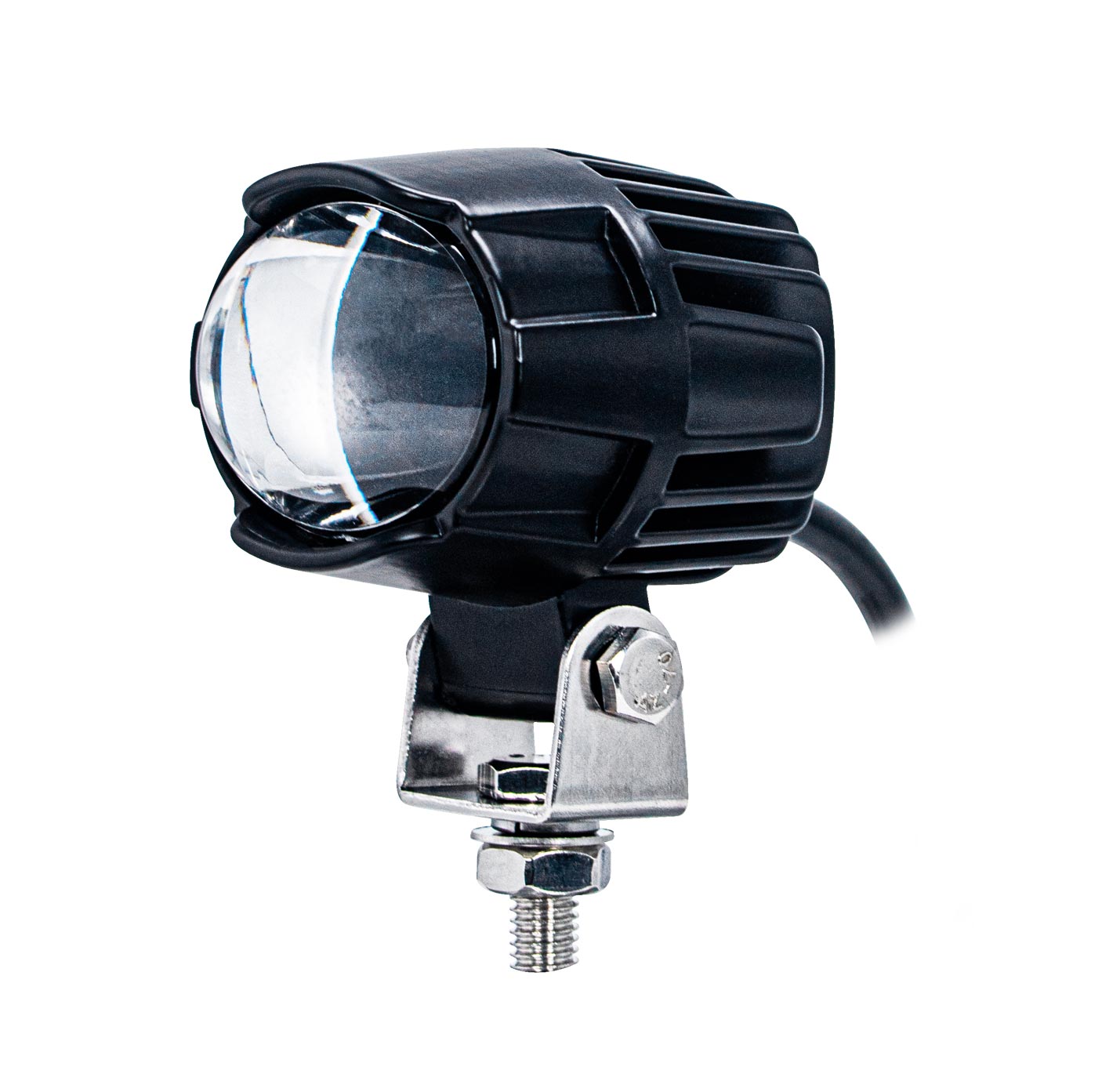
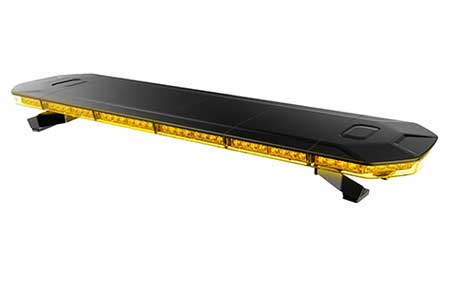
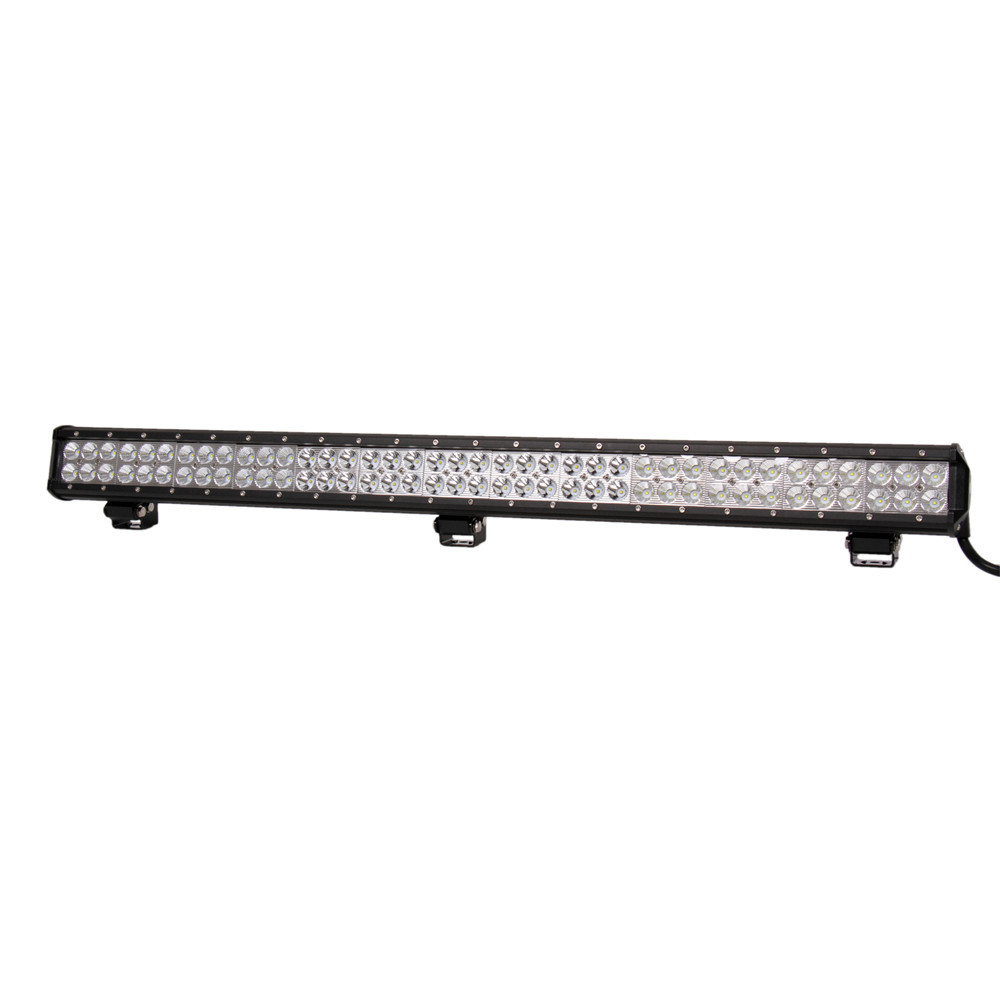
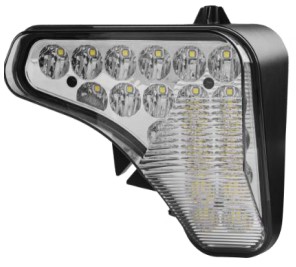
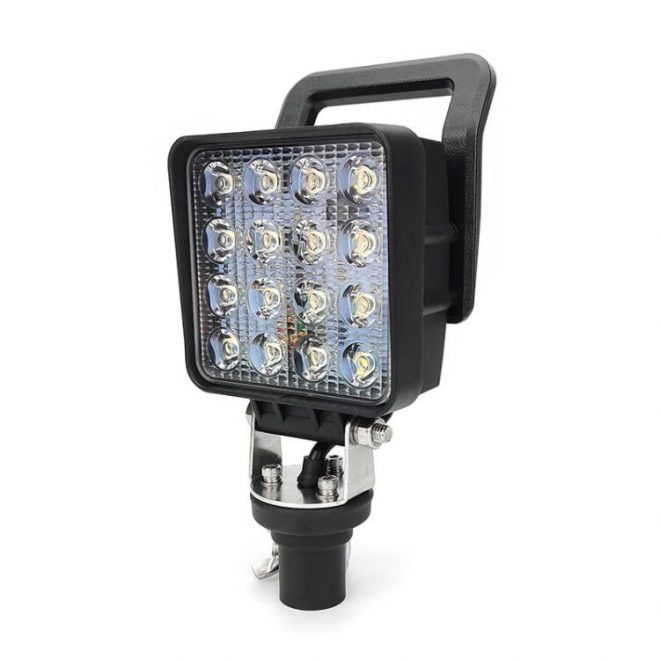
The 234 W CREE LED bar completes the system by providing powerful, uniform lighting around the machine. It improves visibility of operators, obstacles, and the road surface during nighttime operations.
Work lighting and projected signaling serve different purposes: one helps you see the environment, while the other marks a boundary directly on the ground.
LEDPOWERLIGHT® equipment is designed for professional vehicles and machinery: selected components, controlled heat dissipation, protection adapted to harsh environments, precise adjustments, and mounts designed to minimize the effects of vibration.
Since 2013, LEDPOWERLIGHT® has been developing ground-projected signaling and lighting solutions for professional machinery. The company is one of the pioneers that adapted this principle for roadworks, with installations on milling machines, pavers, and other construction equipment.
This approach is now recognized as a field-proven solution: Prévention BTP documents the use of red lines projected onto the ground on pavers to make a safety perimeter visible during night work.
Each installation must be assessed based on the specific machine and its intended use. The goal is not to replace comprehensive safety measures with a single device, but to provide a simple, mobile, and instantly recognizable visual reference.
Safety around a road planer relies on site preparation, traffic separation, temporary signage, training, communication between the operator and ground crew, adherence to exclusion zones, machine maintenance, and the use of available visibility or detection equipment.
LEDPOWERLIGHT® solutions are designed to complement these measures. They do not replace any mandatory equipment, manufacturer instructions, or risk assessment protocols.
Visibility conditions
Light projection is highly effective at night. Its visibility may decrease during the day and varies depending on ambient light, the color and condition of the road surface, dust, humidity, mounting height, and settings. Testing in real-world conditions is recommended.
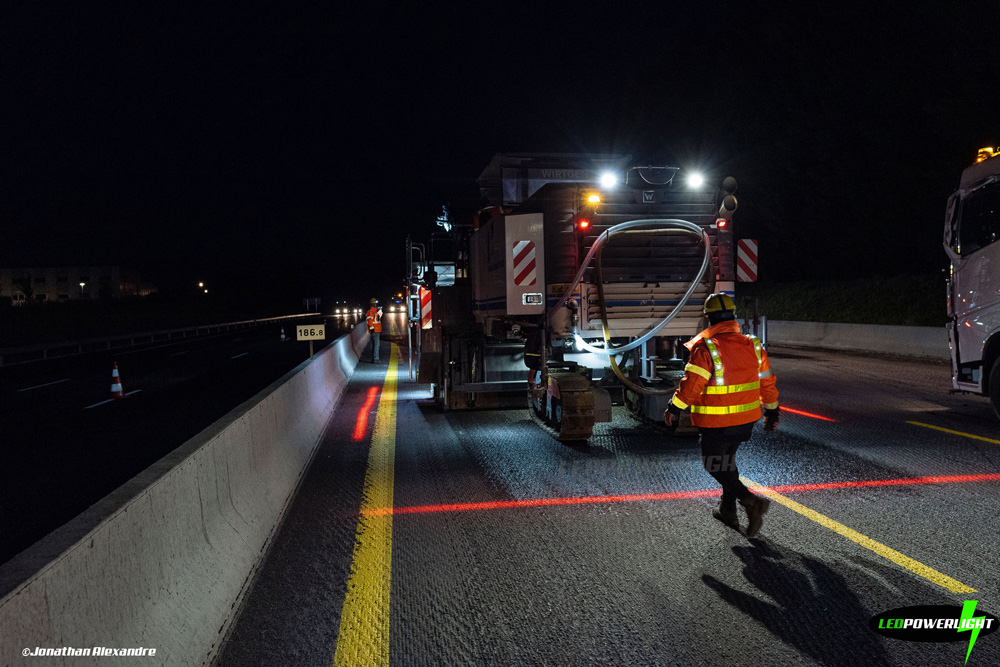



It is a defined perimeter around the machine used to organize movement and reduce pedestrian exposure to machine motion, blind spots, and work areas. The lines projected onto the ground make this boundary more visible without acting as a physical barrier.
Razor Line® projects a sharp red line onto the road surface. Multiple projectors can be used to mark the sides or the rear of the machine, providing a common visual reference for everyone on site.
It is particularly effective at night or in low-light conditions. In broad daylight, visibility may be reduced. The surface, weather, dust, mounting height, and settings also influence how it is perceived.
No. They add a visual reference directly onto the ground. They do not replace regulatory signage, procedures, PPE, or the machine's own visibility, detection, or warning systems.
Why is coactivity a major risk during planing operations?
There is no universal number. The configuration depends on the planer model, its width, available mounting heights, the desired line length, and the site organization. LEDPOWERLIGHT® evaluates every installation.
It projects four blue dots, three of which are moving, to create a dynamic warning beyond the immediate area. Its position and use must be validated according to the job site and applicable regulations.
Yes, subject to a technical assessment. Power supply, mounting points, vibrations, mounting height, projection angles, and the working environment must be verified for each model.
Looking to improve visibility in the work zone around your road planers? Let us know your machine model and operating conditions via our form. Our team will get back to you to discuss the most suitable configuration, whether for a pilot machine or an entire fleet.





.jpg)

.jpg)